Behind-the-scenes archive

Facts behind the felt

Film Plotter follows the production stories behind films shaped by casinos, poker tables, roulette wheels, card rooms and casino culture. This evolving archive sits beside our reviews, plot summaries, character profiles, thematic articles and curated collections, giving each film another way into its world.

A memorable gambling scene is built well beyond the table. Our notes trace the location, performance research, wardrobe, camera placement, sound and production design that guide a viewer’s attention. Each concise entry names its film, motif and production angle before explaining why that detail changes the scene.

01 / Opening reel Frame FP–FACTS–01

02 / The record

What the archive records

A Film Plotter fact is a compact piece of screen-craft context: enough to make a scene newly legible, and clear about the lens through which it is being read.

01

Production decisions

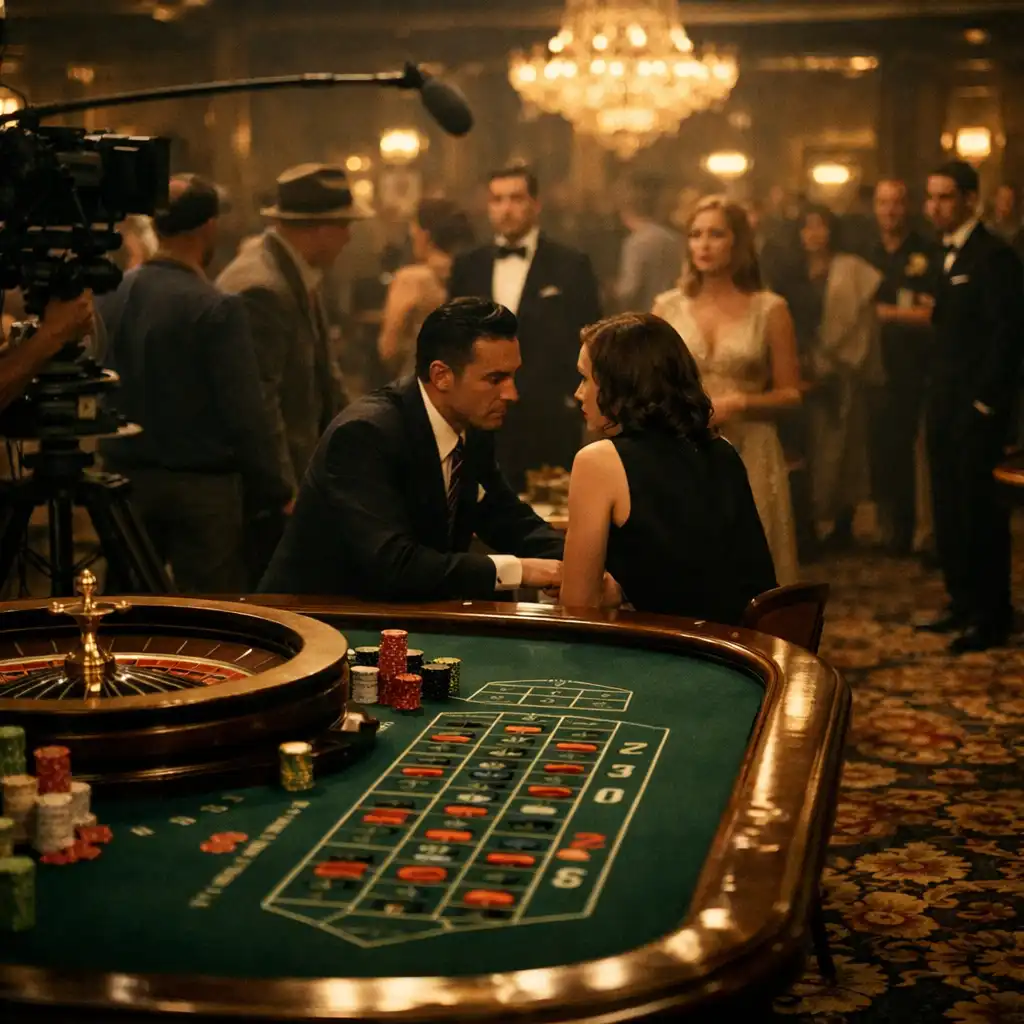
We look at sets, locations, camera choices, props, costumes, sound and practical logistics that make a screen world believable. The point is not a catalogue of equipment; it is the connection between a production decision and the atmosphere, rhythm or pressure a viewer feels.

02

People and preparation

Casting, performance research, movement preparation and collaboration all belong to the film story. These notes consider how performers and craftspeople build a pivotal exchange, a watchful entrance or a tense table arrangement without reducing that work to celebrity gossip.

03

Casino-world context

Casino floors, poker rooms, roulette tables and card-room culture can be setting, motif or production challenge. Film Plotter identifies that context without replacing plot coverage: readers who want the whole story can continue into a film dossier and its fuller narrative record.

04

Traceable reading

Every card offers context for why a detail matters before sending readers further. Concise entries are an entry point, not a claim to exhaust a film. When a production story needs more room, the archive opens into a deeper editorial reading.

Browse the archive by angle

Follow the craft question that brought you here. These routes are editorial index entries, designed for discovery rather than a dense database filter.

01

Sets and locations

Explore gaming floors, hotel interiors, card rooms, exterior establishing locations and built environments. This route suits readers interested in place and atmosphere: entrances, corridors, table layouts, practical lighting and the way a location sets a scene’s social rules.

Browse location notes →
02

Casting and performance

Find preparation, casting choices, ensemble chemistry and physical detail in scene construction. These archival notes stay with screen craft: how presence, pace, gesture and attention make a casino setting feel charged rather than merely decorated.

Browse performance notes →
03

Design, costume and props

Track visual signals of money, status, risk and period through wardrobe, signage, chips, cards, furniture and lighting. This path focuses on materials that hold a frame together and help a viewer understand a room at a glance.

Browse design notes →
04

Poker and table authenticity

Read editorial notes on the way films stage cards, dealer movement, player positioning and table etiquette for the camera. Film Plotter covers poker films and card rooms through cinematic representation and production context, never gameplay advice.

Browse table notes →
05

Release, reception and legacy

Follow release-era context, audience response, later influence and the life of casino-world imagery beyond production. This route foregrounds context and legacy rather than a formal verdict, with onward paths into Film Plotter’s reviews and thematic articles.

Browse context and legacy →

05 / Close reading

Dossier spotlight — How a casino scene is built

A fuller archive reading follows interlocking decisions rather than isolating a single flourish. It considers the spatial geography of a room, the rhythm of a reaction and the point at which a viewer is allowed to see a hand, a doorway or a change in power.

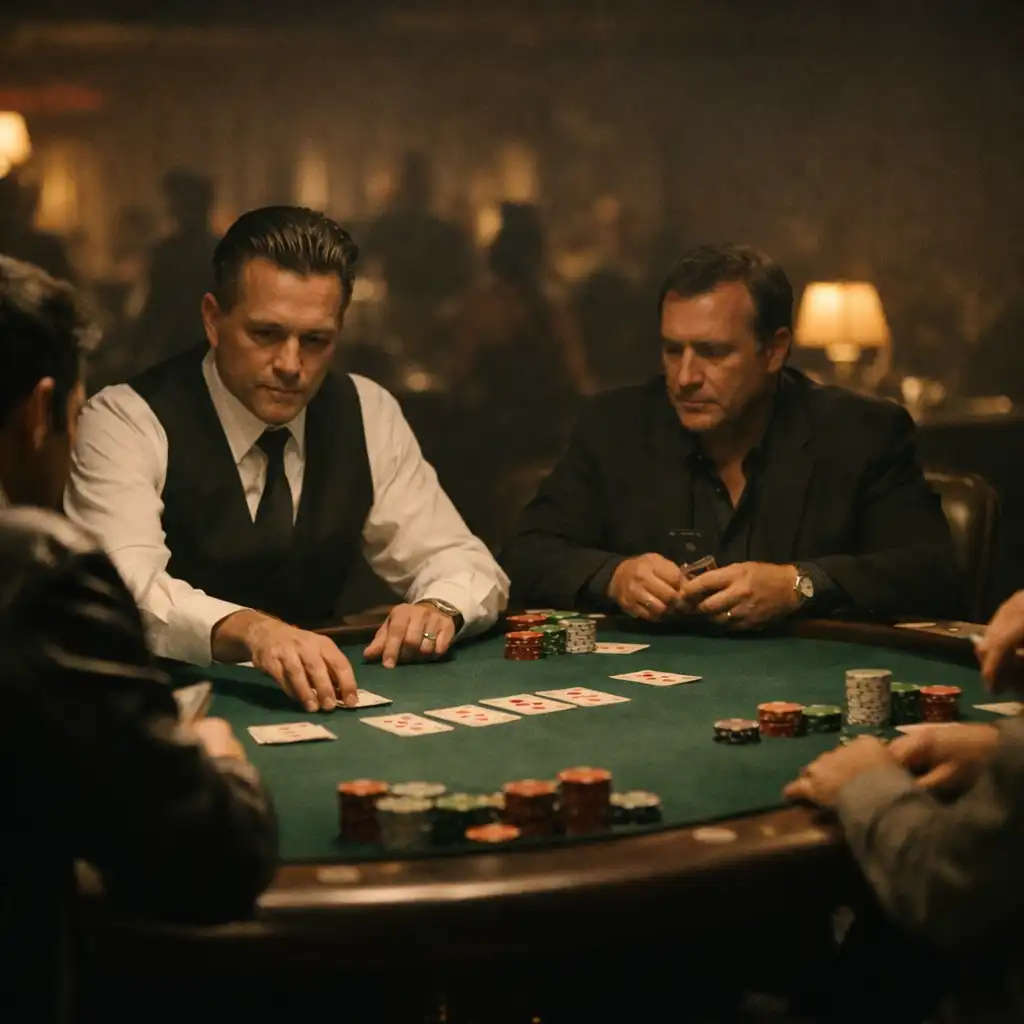
Dealer and seated players arranged around a casino card table with visible sightlines
Scene geography begins with readable tables, bodies, hands and exits.

The geography of suspense

Before a scene can tighten, it needs a map. Staging establishes who can see whom, where the dealer sits, where an exit lies and how a camera can follow a change in power. A clearly organised table lets a viewer read a glance across the felt or recognise when a character has lost the protection of the crowd. Spatial clarity is not dry logistics; it gives suspense a perspective and makes each shift in attention feel earned.

“Continuity is the quiet agreement that lets tension move quickly.”

The detail that survives the cut

Rapid coverage depends on details that can return without calling attention to themselves. Repeatable prop placement, hand positions, wardrobe continuity and recurring sound cues help an edited sequence feel coherent even as its viewpoint changes. A chip stack, cuff, chair back or muted announcement can become an invisible narrative tool: it keeps the room stable while character pressure rises. That is the close-reading approach behind Film Plotter’s shorter fact cards.

06 / Working archive

Fact cards — The working archive

Each card identifies its film context, year, casino motif and production lens before explaining why the detail matters. As the archive grows, these concise entries lead into fuller editorial records.

Grand casino entrance glowing at blue hour

Archive entry · Film context pending verification

Location lens

Year
To be confirmed
Motif
Casino setting
Lens
Location

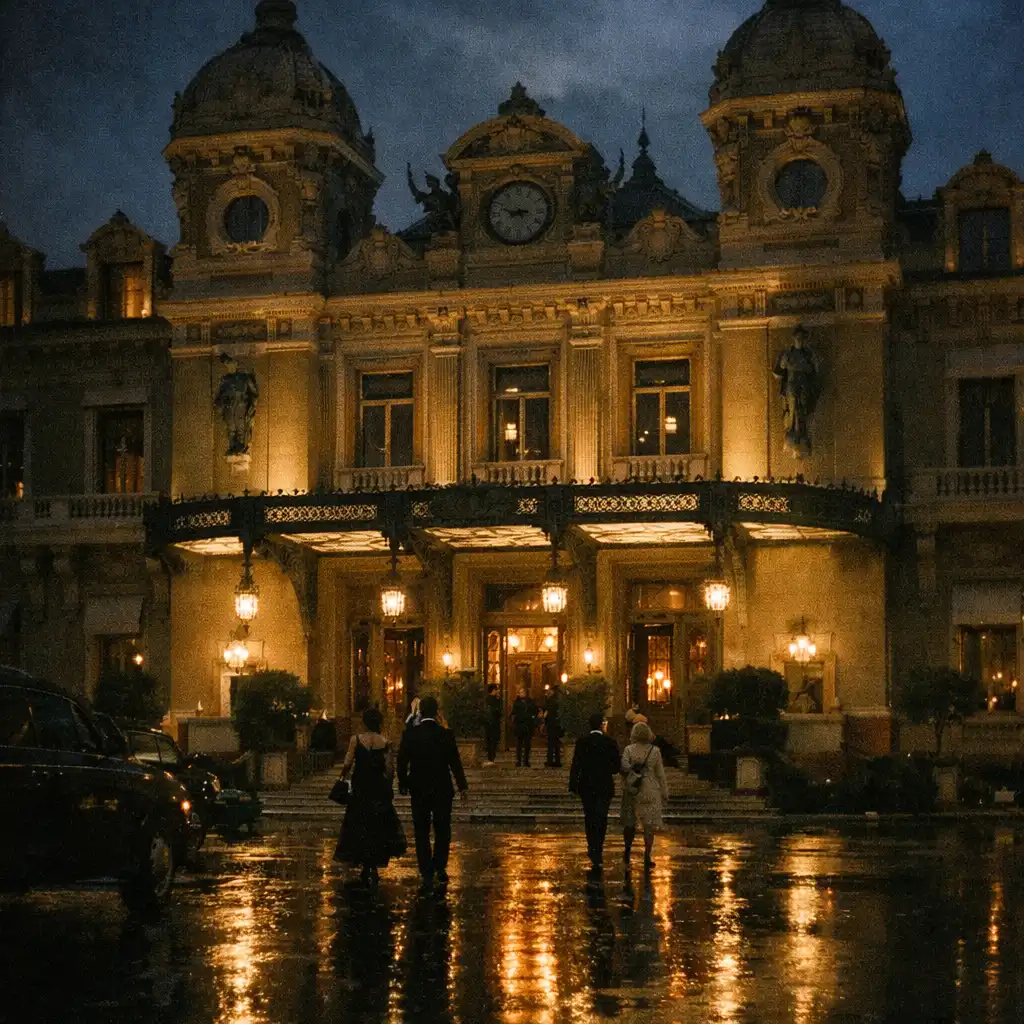
Location research begins with the relationship between architecture and mood. A real or constructed entrance can make a casino-world story feel exposed, sealed-off or strangely ceremonial before the action reaches a table.

Open fact →

Archive entry · Film context pending verification

Casting lens

Year
To be confirmed
Motif
Poker room
Lens
Casting

Ensemble choices shape a table long before a scene’s dialogue explains alliances. This card format considers presence, rhythm and physical contrast as production decisions, awaiting verified film-specific research for its final record.

Open fact →
Casino table prepared with chips, cards and dealer tray

Archive entry · Film context pending verification

Props lens

Year
To be confirmed
Motif
Table detail
Lens
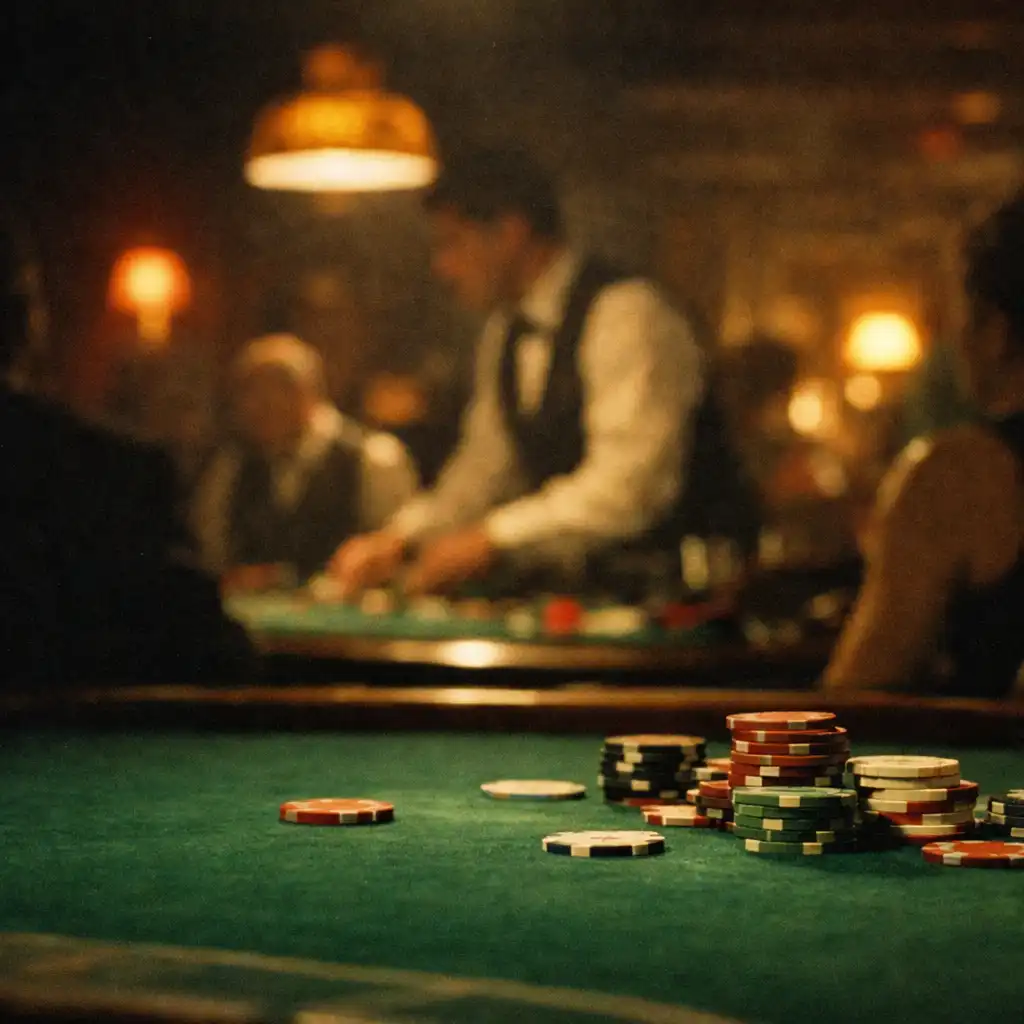
Props

Cards, chips, table furniture and signage give a frame its material logic. A future verified entry will trace how objects establish status, direction and continuity without turning the scene into an explanation of gambling mechanics.

Open fact →

Archive entry · Film context pending verification

Costume lens

Year
To be confirmed
Motif
Casino culture
Lens
Costume

Wardrobe can separate status, period and character intent in a single entrance. This analytical lens attends to contrast in fabric, silhouette and colour, with final film title and production detail reserved for verified editorial research.

Open fact →
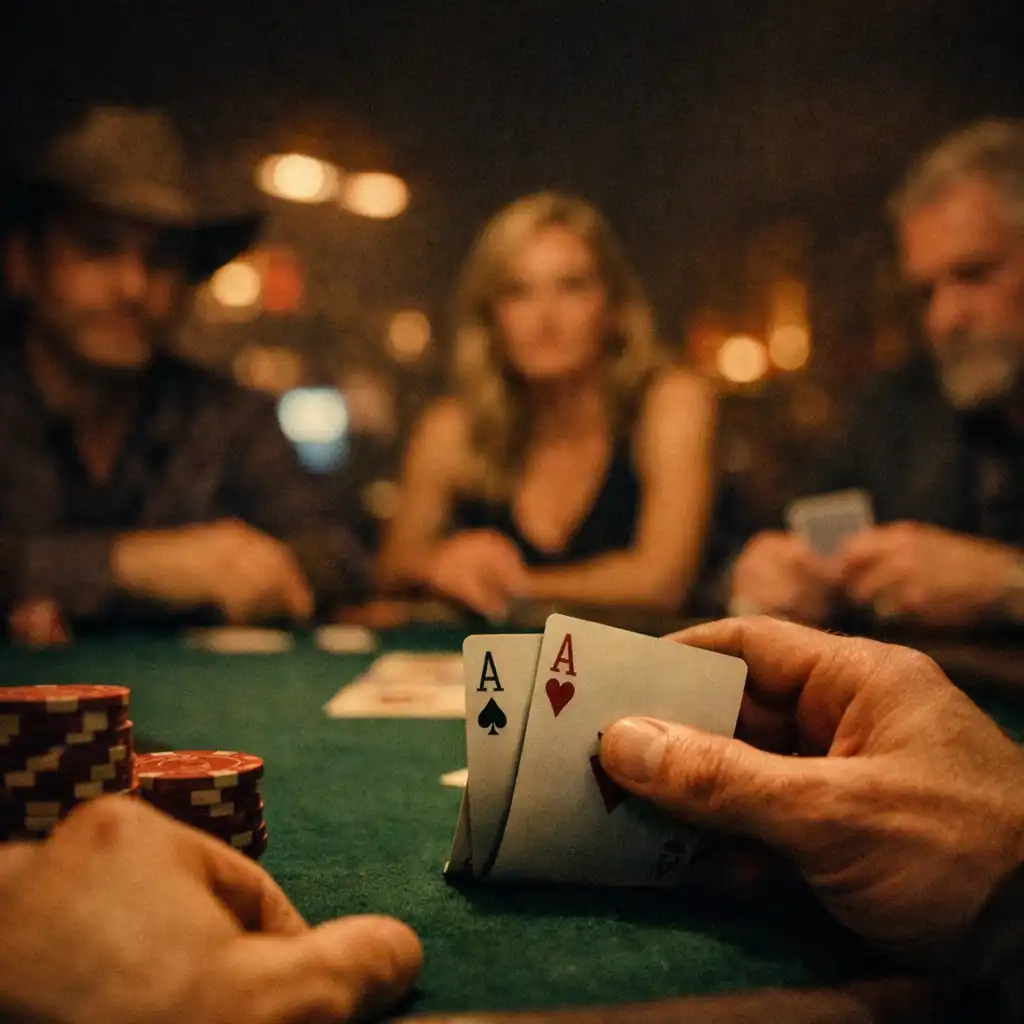
Low view across a poker table with hands and cards in the foreground

Archive entry · Film context pending verification

Camera lens

Year
To be confirmed
Motif
Card table
Lens
Camera

Framing, movement, focus and coverage decide what the audience can know at a table. This plain-language lens considers how viewpoint creates tension while keeping a sequence readable from one decisive cut to the next.

Open fact →

Archive entry · Film context pending verification

Sound lens

Year
To be confirmed
Motif
Casino floor
Lens
Sound

Score, ambience, dialogue overlap and purposeful silence alter the perceived stakes of a room. The verified record will identify how a sound choice gives the viewer distance, intimacy or sudden isolation around a scene.

Open fact →

Archive entry · Film context pending verification

Release lens

Year
To be confirmed
Motif
Casino image
Lens
Release context

Release-era context can change the meaning of a casino-world image long after production wraps. This card makes room for source-verified context, audience response and legacy, with links into related reviews or articles where useful.

Open fact →

08 / Archive entry · Film context pending verification

Cultural lens

Year
To be confirmed
Motif
Casino culture
Lens
Culture

Casino culture can be observed, complicated or used as part of a film’s wider social world. This card keeps an analytical film-journal tone and directs readers to thematic articles when a longer cultural discussion is needed.

Open fact →

07 / Time strip

The timeline behind the image

Browse production history as a set of questions, not an exhaustive database: each era is a route into changing screen spaces, styles and forms of casino-world attention.

01

Early screen glamour

This archive lane examines stylised interiors, studio control, formal dress and the cinematic construction of glamour. It is a browse lens for noticing how designed spaces turn social ritual into a composed image, without claiming a single linear history.

Browse this archive lane →
02

Pressure and reinvention

Here, casino settings can become sharper, less stable or more character-driven as style and audience expectation shift. Follow production choices—coverage, crowd density, colour and pace—rather than broad claims about an era’s films.

Browse this archive lane →
03

Contemporary table stories

This current lane considers digital-era polish, intimate card rooms, expanded casino culture and changing approaches to realism. It links outward to Film Plotter’s poker, card-room and casino-culture pathways without treating any trend as universal.

Browse this archive lane →

08 / Cross-reference

From fact to film dossier

01

Read the full film story

Move from a production note to detailed plot summaries and character profiles when you want narrative context. The facts archive follows making-of detail; a film dossier shows how that detail lives inside the story, its relationships and its turning points.

02

Compare the critical view

Read Film Plotter’s movie reviews when you want an editorial evaluation of how a film’s choices work on screen. Reviews offer a critical view; behind-the-scenes notes stay closer to the craft question that made you pause on a scene.

03

Follow a motif across films

Use curated collections and thematic articles to connect poker films, roulette stories, card rooms and casino culture across more than one title. It is the useful next step when a single craft detail opens a wider question about an image or motif.

The smallest craft detail can alter how a familiar scene is seen. Choose a route, carry the question with you, and let the next dossier widen the frame.